Blog

Early Public Release

Early Public Release

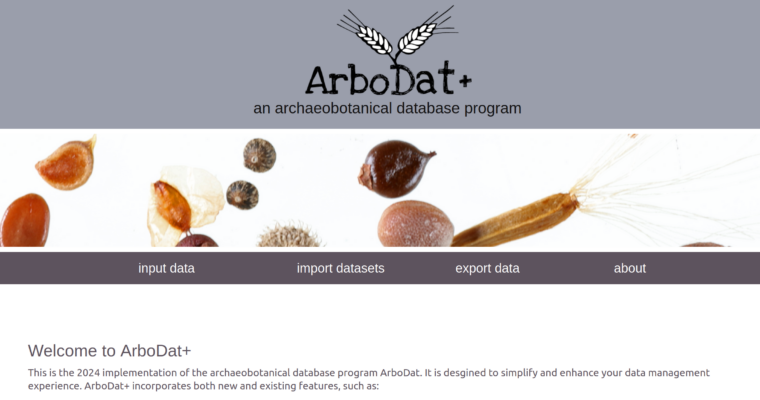
This first public program version of ArboDat+ provides core functionality for managing data through several integrated modules: Please be advised that this is an early public release of the software, currently in an experimental phase. As such, certain features – especially the data import functionality 

ArboDat+ live at the NFDI4O Community Meeting 2025 in Bochum

ArboDat+ live at the NFDI4O Community Meeting 2025 in Bochum

The 3rd NFDI4Objects Community Meeting will take place from September 30 to October 2, 2025 at the German Mining-Museum (Deutsches Bergbau-Museum) in Bochum, Germany. The event will be a great opportunity to exchange ideas on progress and challenges within the consortium and to network with 

New in ArboDat+ : Interactive map for easy location management

New in ArboDat+ : Interactive map for easy location management

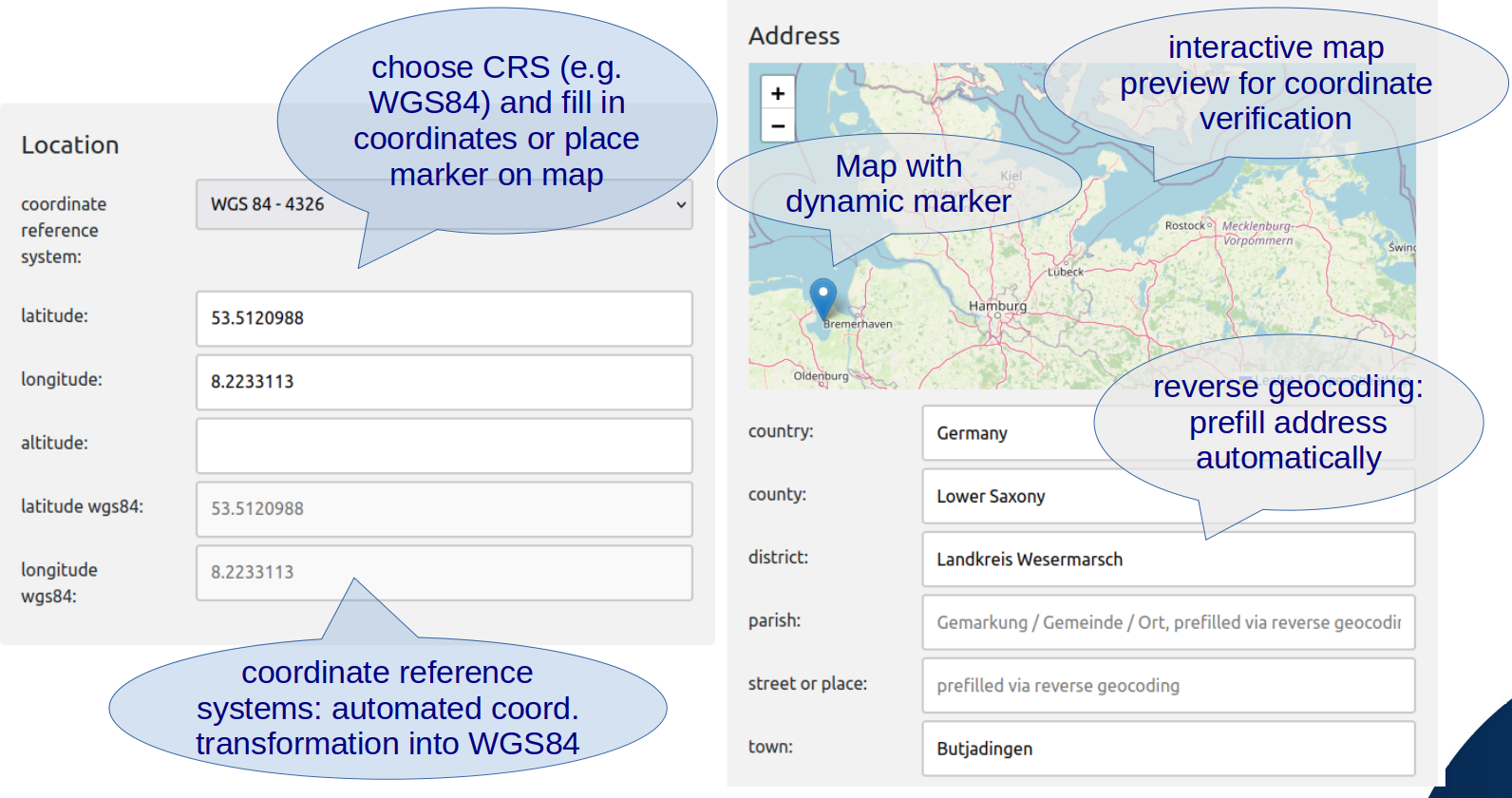
We’re excited to introduce a powerful new feature in ArboDat+: the interactive map for entering and verifying location data.

Here’s what’s new:

  • Choose your coordinate system (e.g., WGS84) and either type in coordinates or simply place a marker on the map.
  • Automatic coordinate conversion into WGS84, so your data stays consistent no matter what reference system you use.
  • Map with dynamic marker that updates instantly as you adjust coordinates.
  • Interactive preview so you can visually verify your location before saving.
  • Reverse geocoding to automatically fill in address details (country, county, district, parish, street, and town) based on your coordinates.

This update makes location entry faster, more accurate, and much more intuitive — no more manual cross-checking between maps and data tables!

Data Migration – Implementation completed

Data Migration – Implementation completed

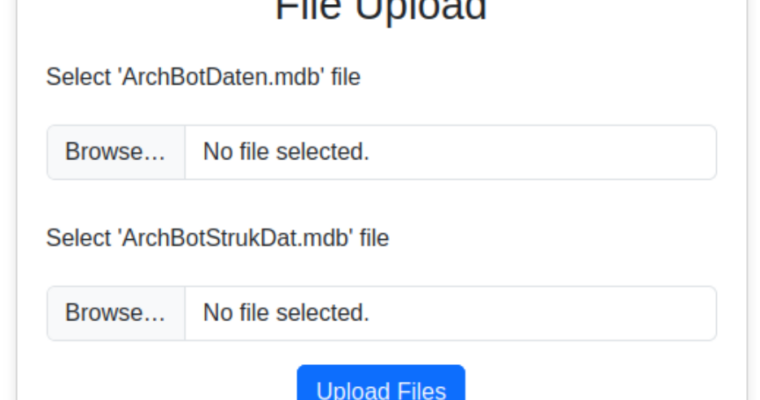
We’re excited to let you know that ArboDat+ now supports importing data from your old MS Access files. This means you will be able to browse for your existing .mdb files, upload them, and continue working with your data in the new, OS-independent system. To 

Import of old Datasets : Data Migration

Import of old Datasets : Data Migration

A quick update on a topic relevant for many long-term users: the migration of already existing data into the new system. As requested, we’ve been working intensively over the past months to ensure that existing data can smoothly and accurately be transferred to the new 

status update 2024

status update 2024

Software development is progressing: this year, we revised the database schema, implemented the backend, and set up the API and the Frontend. We also pushed general thesauri on centralized Dante Servers. Finally, we addressed and will finish the import functionality for old data in early 2025. Additional plans for 2025 include implementing HTTP queries between the Frontend and the API, as well as realizing dynamic extensibility of frontend language options. Furthermore, we will provide several export options, the upload to Pangaea, and a report function.

Community work: We presented the progress on several opportunities, including the Community Meeting of NFDI4Objects in Mainz and the annual European Association of Archaeologists (EAA) Meeting in Rome. The community is cordially invited to participate in shaping the new software to their needs by telling us, and some have already done so either here on the homepage or by mail – thank you very much for your contribution!

We wish you a Merry Christmas and a Happy New Year!

Front end advancements

Front end advancements

The front end is the primary interface through which users interact with the program, including data entry and other communication. To ensure maximum accessibility, the front end is currently being developed as a web application, allowing it to be run in any modern browser on 

progressing in API development

progressing in API development

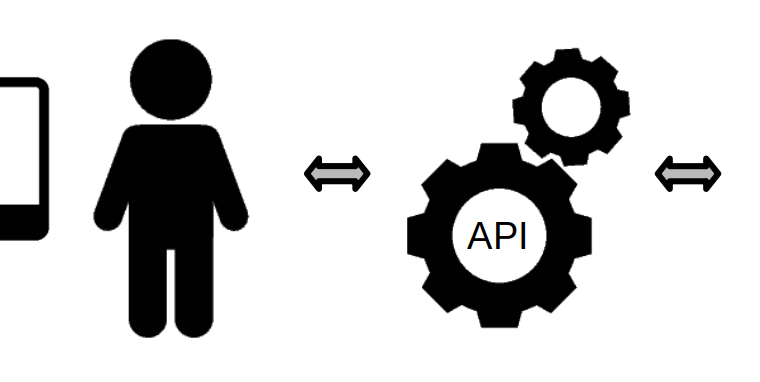
The API serves as a crucial link between the front-end and the database, forming the backbone of the future web application. It facilitates seamless communication between the front-end and the back-end database, enabling efficient handling of user requests, data processing and database management. Choosing Java 

novel database schema

novel database schema

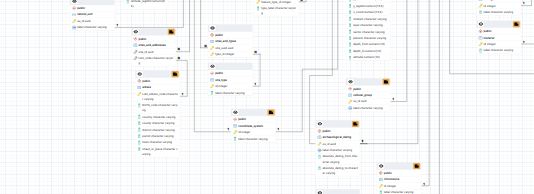
We are happy to announce that the novel database schema has been created. The new database is based on a relational model, just as it was before, but uses PostgreSQL instead of MS-Access. Most of the data fields remained. To facilitate data publication and export (e.g. to PANGAEA) some additional data collection was introduced. One of the key differences is the organization of items within the database: it has been adapted towards the third normal form standard. This aims at the avoidance of data duplication as well as data anomalies and with this supports data integrity.

Publication of the survey results

Publication of the survey results

Even though it was quiet for a long time, the project team continued to work on ArboDat+ the whole time. This includes analysing the survey that took place at the end of last year. This has now been published on Zenodo: Mennenga, M., Knappe, C.,